No products in the cart.

By: International Institute of Gemology (IIG)
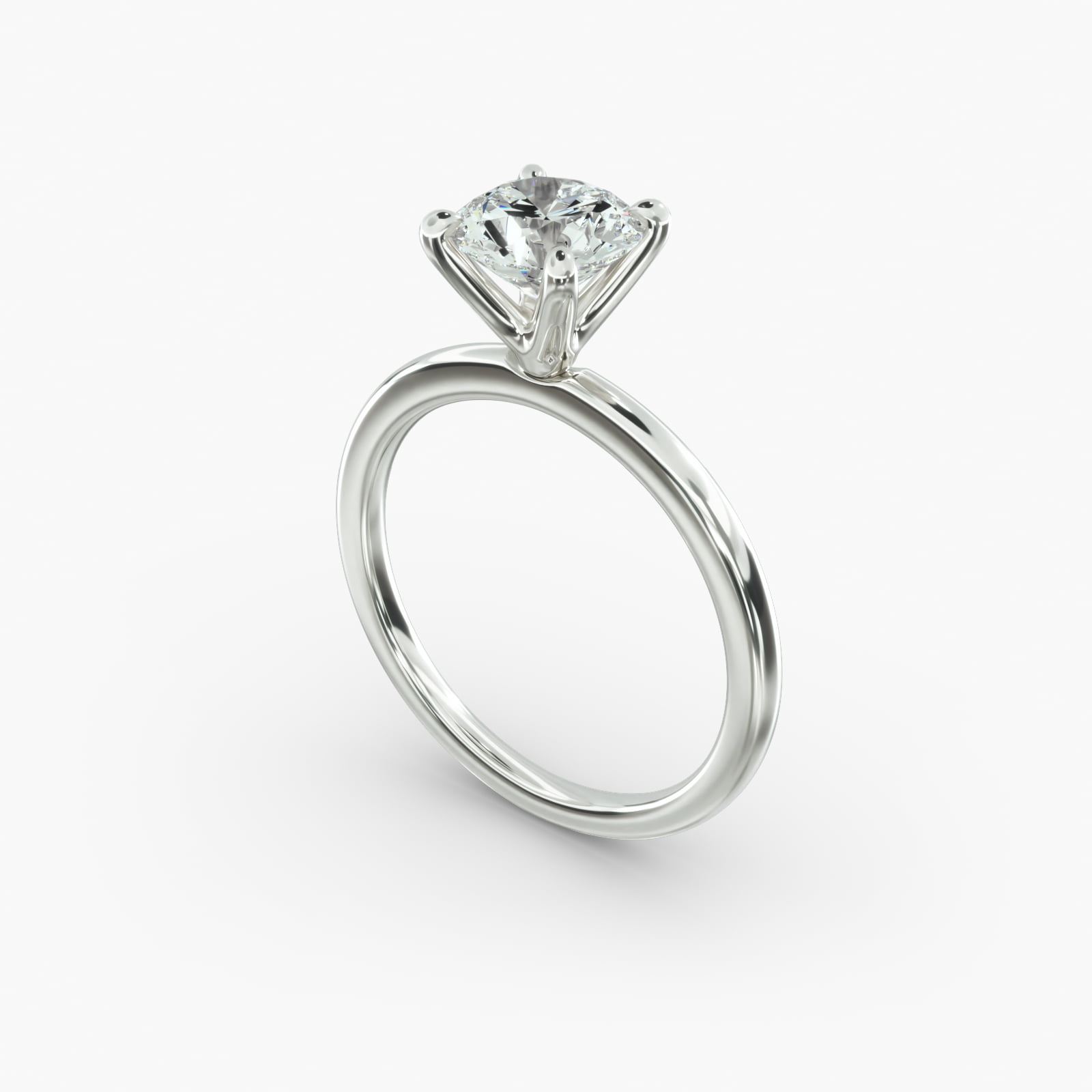
In the world of gemology and jewelry design, few terms are as ubiquitous as “Solitaire.” While the word might conjure images of a card game for some, in our industry, it represents the purest expression of a gemstone’s beauty.
But what exactly defines a solitaire, and why has it remained the gold standard for engagement rings and fine jewelry for over a century?
Let’s explore the technical definition, historical significance, and the various shapes that define this iconic jewelry style.
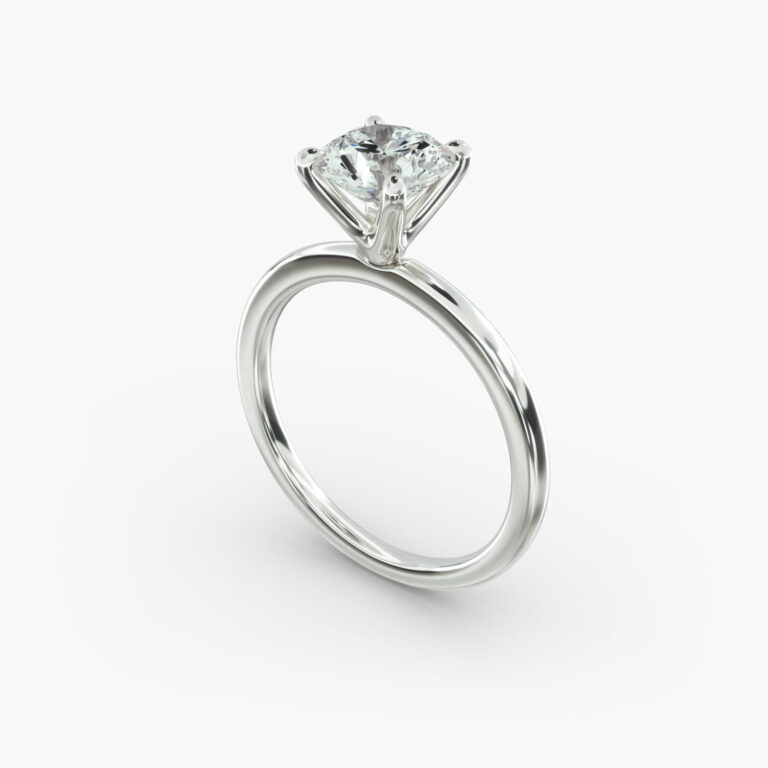
 Strictly speaking, a solitaire refers to any piece of jewelry that is set with a single diamond or gemstone. While the term is most frequently associated with engagement rings, it applies equally to pendants, earrings, and men’s jewelry, provided they feature one singular, standalone stone.
The beauty of a solitaire lies in its lack of distraction. Without side stones or intricate halos to divert attention, the focus remains entirely on the cut, clarity, and color of the center gemstone—qualities that gemologists value most.
At IIG, we often encounter varied terminology used by jewelry enthusiasts. One recurring misconception is the use of the word “monolithic” to describe single-stone rings.
Derived from mono (one) and lithic (stone), the term may appear linguistically logical. However, it is gemologically incorrect. A monolith traditionally refers to a large, singular stone structure such as a pillar or monument.
In professional gemological practice, the correct and universally accepted term for a single-stone jewel is solitaire.
How did the solitaire become the definitive symbol of love and commitment? Its dominance can be traced to two pivotal historical developments:
The iconic six-prong Tiffany setting revolutionized diamond mounting. By elevating the diamond above the band rather than embedding it within metal, light could enter from all directions—maximizing brilliance and fire. This innovation established the modern solitaire as we know it today.


The emotional significance of the solitaire was firmly cemented by De Beers’ legendary marketing campaign. Copywriter Frances Gerety’s slogan, “Diamonds are Forever,” along with the introduction of the “salary guideline,” permanently linked the solitaire diamond with eternal romance and commitment.
While the solitaire setting is minimal, the shape of the gemstone allows for personal expression. Below are the most popular solitaire cuts in today’s market:

One of the most practical advantages of the solitaire setting is its adaptability to heirloom jewelry. Because the design focuses entirely on the center stone, it is ideal for remounting inherited diamonds.
Many individuals choose to preserve sentimental family stones by resetting them into contemporary solitaire mounts. This approach maintains emotional value while updating aesthetics—an approach strongly aligned with sustainable and responsible jewelry practices.
Whether strictly classic or modern and tension-set, the solitaire remains a powerful testament to the idea that less truly is more.
A solitaire is any piece of jewelry featuring a single diamond or gemstone as the focal point, without additional side stones or halos.
No. While most commonly associated with engagement rings, solitaires can also be found in pendants, earrings, men’s rings, and other fine jewelry.
No. While linguistically similar, “monolithic” is not gemologically correct. The correct industry term is solitaire.
Round brilliant diamonds offer maximum brilliance due to their precise faceting, making them the most widely preferred choice for solitaire jewelry.
Yes. Solitaire settings are ideal for remounting inherited diamonds, preserving sentimental value while updating the design.
The solitaire is more than a jewelry style—it is a gemological statement. Rooted in history, refined by craftsmanship, and enduring in symbolism, the solitaire continues to define elegance through simplicity.
At the International Institute of Gemology (IIG), we view the solitaire as the ultimate celebration of a gemstone’s natural beauty—where one stone, expertly cut and thoughtfully set, tells a timeless story.
 07
Feb
07
Feb
 07
Feb
07
Feb
 23
Jan
23
Jan
 22
Jan
22
Jan



Not a member yet? Register now
Are you a member? Login now