If there’s one thing I’ve learned from observing successful organizations across industries, it’s this: the most powerful brands don’t shout, they stay steady.
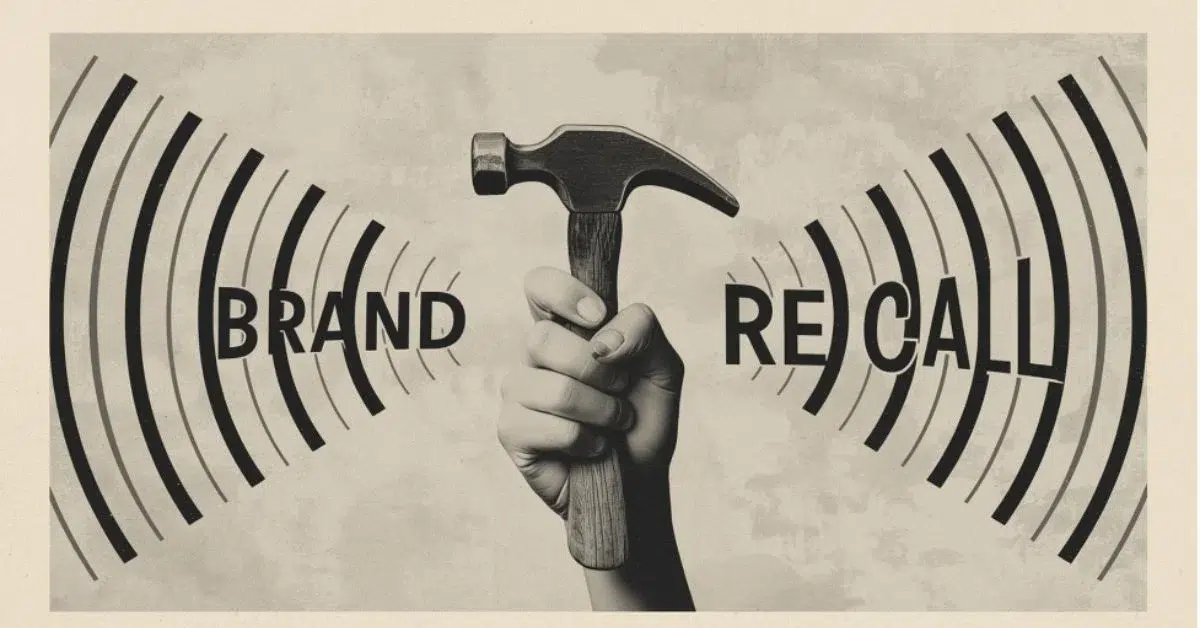
They don’t rely on a single campaign or moment of visibility. They rely on rhythm, the quiet, consistent act of repeating what they stand for until the world begins to believe it too. I call this the art of hammering: staying committed to a clear message long enough for it to shape perception.
The Psychology Behind the Hammer
The idea is simple but profound. People remember what they encounter repeatedly. Familiarity builds comfort, and comfort builds trust. That’s true for relationships, habits, and businesses alike. In a marketplace filled with noise, the brands that endure are those that refuse to change their essence just to stay visible.
Think about it. Nike’s message has stayed constant for decades. Apple’s voice of simplicity hasn’t changed since the first iMac. Closer home, Tanishq doesn’t sell gold; it sells the emotion behind it; year after year, campaign after campaign. The most trusted jewelry brands don’t reinvent themselves each festive season; they reinforce who they are; through design, tone, and service. Repetition, when done with clarity, doesn’t bore people. It reassures them.
Hammering vs. Noise
There’s a misconception that creativity means constant change. But if everything changes all the time, nothing feels certain. Real creativity is not about producing something new every week, it’s about expressing the same truth in different, meaningful ways. Great brands evolve, but they evolve around a fixed center.
This is especially relevant in luxury and jewelry. Customers may admire novelty, but they invest in familiarity. Every element: your visual identity, your retail experience, even your tone of conversation, tells a part of the story. When these pieces align over time, the message compounds. When they don’t, trust erodes.
Hammering doesn’t mean mindless repetition. It means deliberate reinforcement. Each repetition should add depth, not noise. The goal is not to be louder, but to be clearer. When a brand’s promise echoes across every touchpoint, from its digital presence to its store floor, it stops being marketing and becomes memory.
Over time, people start to recognize you not because you advertised well, but because you’ve been consistent long enough to be believed. That’s what hammering achieves; steady, intentional shaping of how people think about you.
The Rhythm of Repetition
Every successful brand hammers with three intentions:
- Message: What do you want the world to remember?
- Medium: Where do you want that memory to live?
- Meaning: Why does it matter emotionally?
Hammering without meaning is just noise. But hammering with intent creates rhythm, and rhythm builds recall. So whether you’re a global brand or a family jeweller, the principle remains the same: Your customer should never have to guess what you stand for. They should feel it, instantly. Just like the curve of a Coca-Cola bottle or the blue box of Tiffany… You don’t need to read the name, you feel the brand before you process it.
You can test this in your own business:
- Do people describe your brand using the same words you’d use?
- Do they recognize your tone even when your logo isn’t present?
- Do your employees instinctively understand what your brand would or wouldn’t do?
If the answer is yes, it means your rhythm is working. You’ve struck your message enough times for it to leave an imprint.
Ultimately, branding isn’t about one big strike; it’s about persistence. Like building anything of lasting value, it takes repeated effort in the same direction. Each strike may seem small in isolation, but over time, those strikes shape memory.
That’s why I say: branding is hammering. It’s not luck, not noise, just the steady rhythm of staying true to your message until the world starts to echo it back.

 07
Feb
07
Feb
 07
Feb
07
Feb