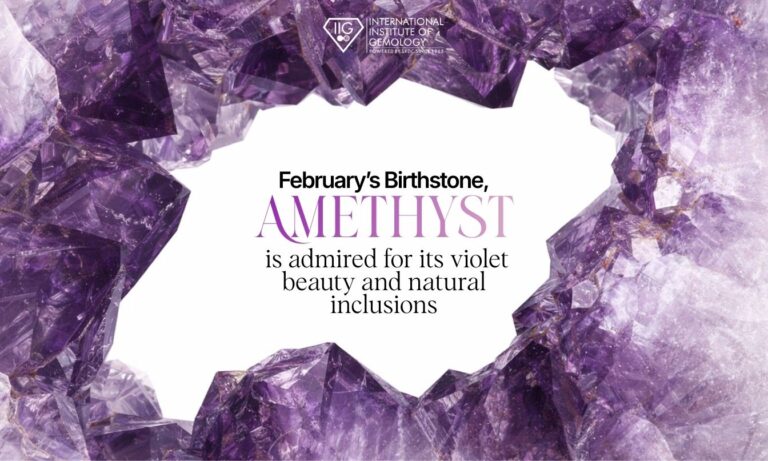
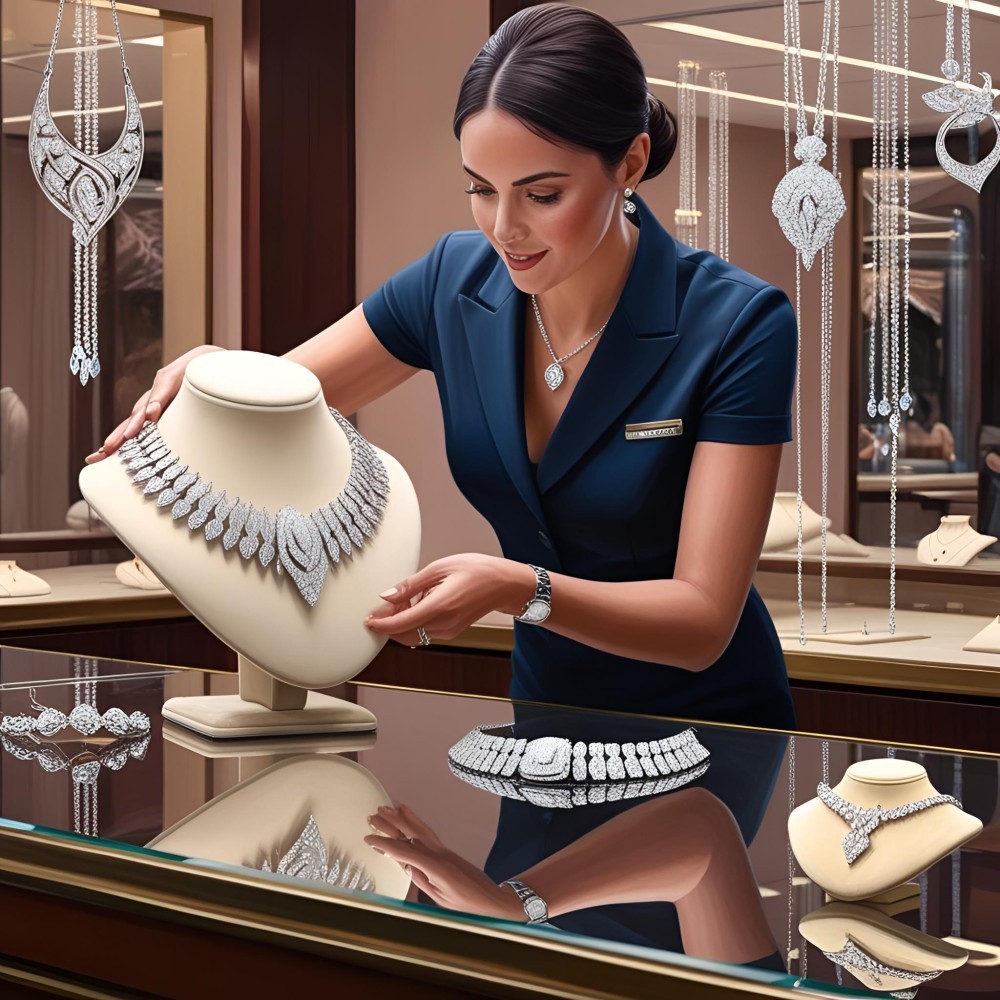
If you really want to understand where the global retail economy is heading in 2026, don’t start with the Amazons or the big-box giants. Start with a jeweller.
A jewellery store is the most unforgiving business lab in the world; high-ticket, high-emotion, high-risk. Every square foot is a decision. Every inventory unit is a bet. Every customer interaction is a trust exercise. Long before digital disruption or AI entered mainstream vocabulary, jewellery retailers were already operating at future-level precision.
Today, the pressures they mastered, trust-building, SKU discipline, personalisation, design agility are quietly becoming the pressures shaping every retail category worldwide. Jewellery isn’t just a product category anymore; it’s a preview of tomorrow’s retail logic.
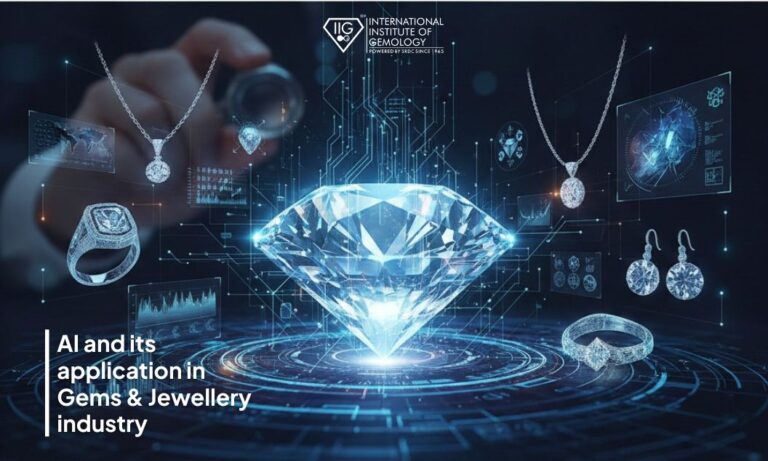
AI Isn’t a Disruptor Anymore. It’s infrastructure
Across the world, retailers are still split into two camps. One half fears AI will make human skill irrelevant. The other half already uses AI to make those same skills sharper. What I’ve observed is simpler: AI isn’t reorganizing retail rather than replacing it.
In jewellery retail, AI is no longer a future concept, it’s quietly becoming part of the everyday flow. Acceptance is growing because retailers are beginning to see what it actually does: it sharpens the experience, predicts trends, recognises patterns, and helps you make smarter decisions. It segments customers more accurately and tailors offerings with a precision human intuition often misses. In essence, AI doesn’t replace intuition, it fills the blind spots that human judgement politely overlooks.
This shift is now echoing across fashion, beauty, electronics, and luxury: AI in retail infrastructure is becoming the unseen store associate; unemotional, unbiased, unbelievably precise.
The Inventory Truth: Retail Isn’t About Products. It’s About Psychology
Walk into any store, grocery, beauty, apparel, or jewellery, and the first subconscious question a consumer asks is: “Do you understand me?” Not “Do you have stock?”, but “Do you have the right stock for me?”
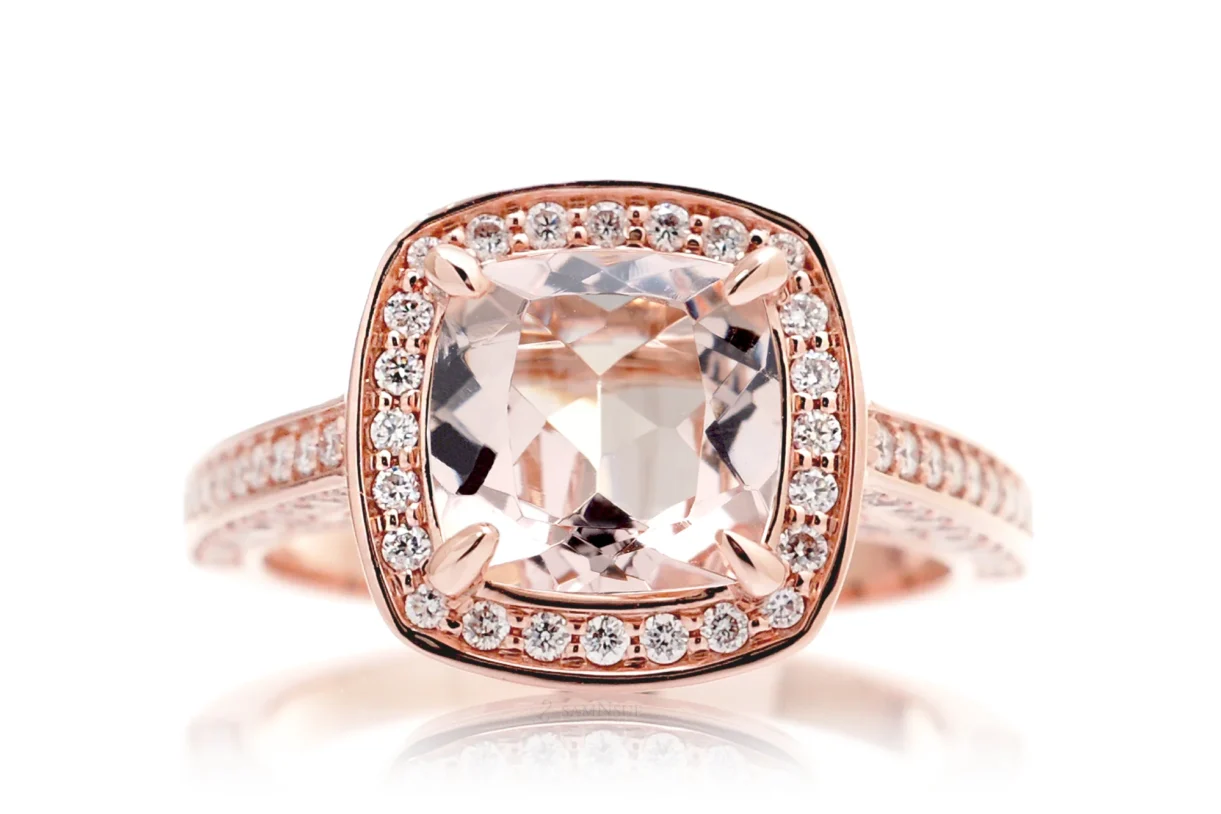
Jewellery mastered this psychology long ago. A 9K stud for Gen Z. A lightweight diamond pendant for the gifting category. A colour-pop gemstone ring for a young professional. A clean classic for the repeat buyer.
The industry learned before anyone else that inventory is narrative, not storage. And as consumer behaviour grows more impulsive and more value-conscious, jewellery merchandising intelligence is becoming the difference between relevance and redundancy.
Gen Z’s are Rewriting Retail Logic Entirely
The world keeps calling Gen Z “upcoming”. Jewellery retailers know better—they’re already the primary decision-makers. And they’re brutally clear in what they want:
- 9K gold because they want flexibility without financial anxiety.
- Gemstones because individuality matters more than traditional hierarchy.
- Customisation because involvement is the new aspiration.
- Design agility because trends now shift in weeks, not seasons.
They don’t care about legacy unless legacy improves their experience. They don’t want to “follow” a brand; they want to collaborate with it. They trust a comment section more than a billboard. This behaviour is not limited to jewellery—it is reshaping retail categories from cosmetics to home decor.
Digital Isn’t a Channel. It Is the Store
In 2026, the majority of the purchase journey will happen before the customer even steps inside a store. Jewellery buyers already arrive after comparing prices, trying AR features, watching reviews, building Pinterest boards, and seeking peer validation. By the time they meet a salesperson, they’re not “shopping”, they’re confirming. The physical store is no longer the stage; it’s the final checkpoint of a largely digital experience. Brands that still treat digital as marketing, not architecture, will lose relevance rapidly.
Influencers Don’t Drive Behaviour Anymore. Communities Do
One of the most misunderstood shifts in modern retail is the decline of polished influence. Jewellery is the clearest example of this. A real woman styling her everyday hoops creates more conversion than a celebrity campaign. A customer reviewing her emerald ring drives more trust than a curated influencer script. A community of enthusiasts comparing Ruby vs. Garnet educates better than any brochure.
UGC isn’t a trend, it’s the new trust economy. And this decentralised influence model is shaping beauty, wellness, footwear, tech, and even luxury.
Merchandising: The King Has Become a Scientist
Jewellery has always known that the window is a story, not a display. But in 2026, merchandising is becoming analytical. Retailers are now combining design sense with data, cultural cues with micro-trend forecasting, and SKU planning with behavioural segmentation, taking merchandising to new heights.
Branding Isn’t Visibility. It’s Behaviour
Jewellery has never relied solely on advertising. It relied on trust: quiet, consistent, intergenerational trust. Branding in today’s world works exactly the same way. It happens when the experience matches the expectation—not when a campaign goes viral.
Packaging. Tone. Sales staff. After-sales ethics. Cultural sensibility. All of these, not logos, create brand equity. Campaigns get attention. Culture gets loyalty.
The Consumer of 2026 Wants Less Noise, More Understanding
Across all retail sectors—fine jewellery, lifestyle, luxury, beauty—the consumer is telling us the same thing:
- Simplify my choices.
- Personalise without invading.
- Be transparent without lecturing.
- Give me convenience without removing the human.
- Understand my identity, not my demographic.
Retail is entering a decade where the winners will not be the fastest or the loudest, but the most intelligent and the most empathetic. Jewellery retailers have lived by this for decades. Now the rest of global retail is catching up. 2026 Belongs to Retailers Who Can mix AI with intuition. Data with taste. Digital with human touch. Scale with personalisation, and Efficiency with emotion. Because in the end, retail is not about products or platforms. It’s about people. And jewellery, more than any other industry, has always known that.
 04
Mar
04
Mar
 25
Feb
25
Feb
 19
Feb
19
Feb
 07
Feb
07
Feb