No products in the cart.
By: International Institute of Gemology (IIG)
What if there was a precious metal so rare, so distinct, that it could be described as the world’s last precious metal? A metal once known only to scientists, now emerging in high jewellery, luxury watches, and alternative investment portfolios. That metal is osmium.
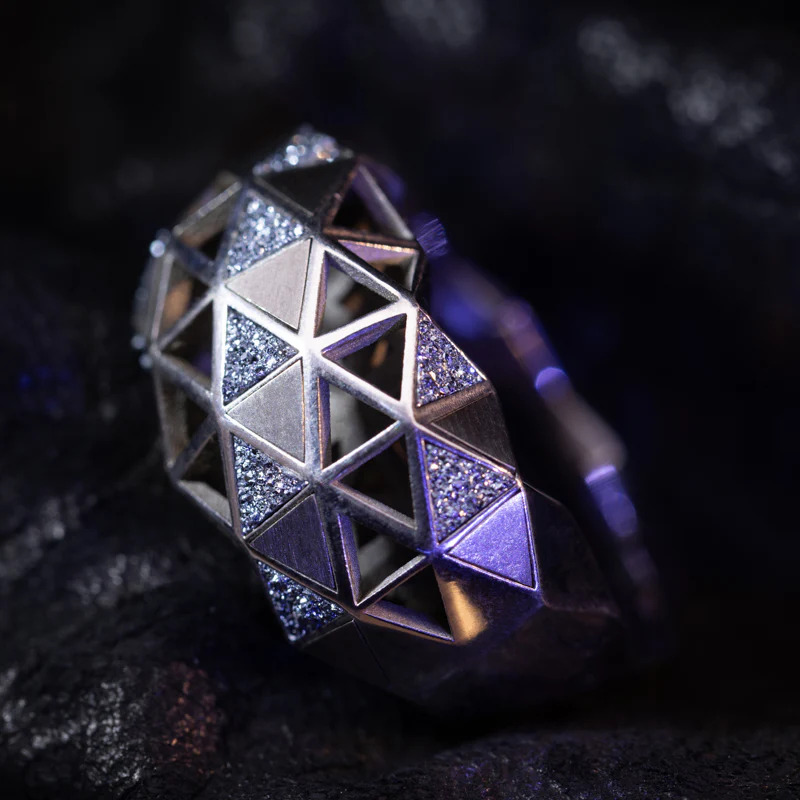
Osmium, a member of the platinum group metals, is celebrated for its extreme rarity, unmatched density, and unique crystalline structure. Once toxic and unsuitable for jewellery, modern crystallisation technology has transformed osmium into a stable, brilliant, and certifiable luxury material.
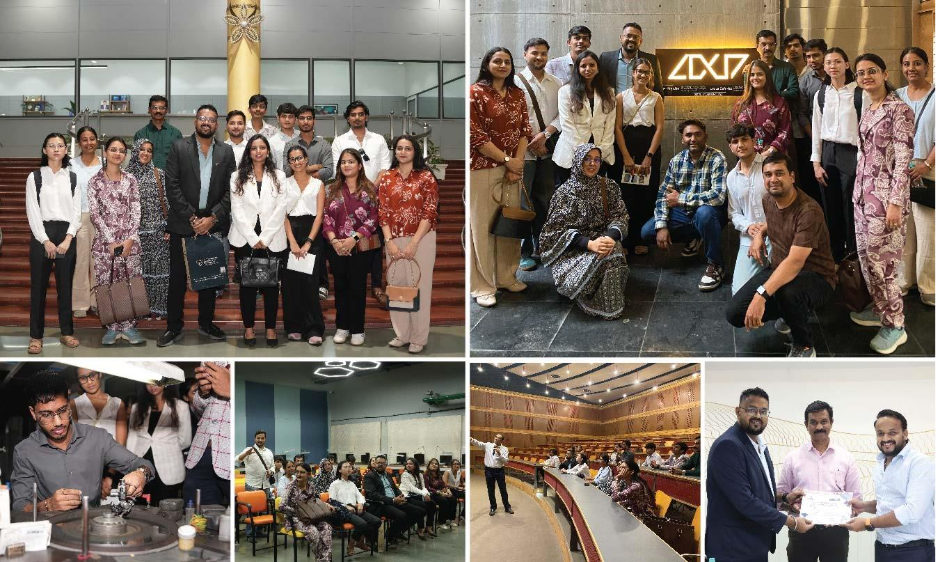
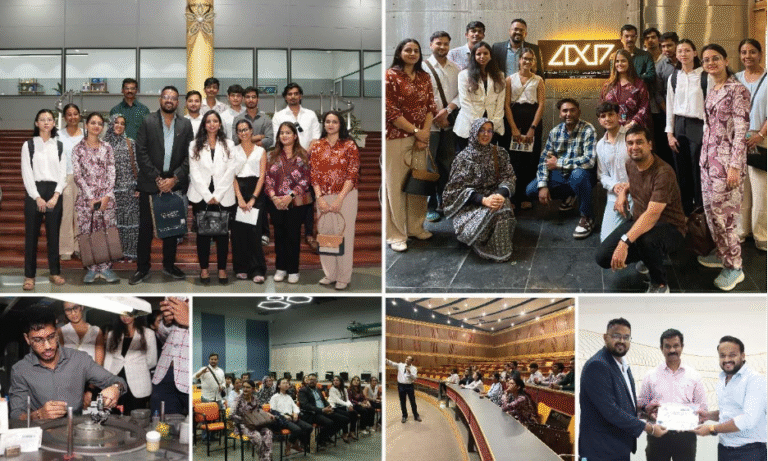
At International Institute of Gemology (IIG) Mumbai, osmium took centre stage during an insightful presentation by Scarlett Clauss, Vice Director of the Osmium Institute, Germany, highlighting osmium’s growing relevance for the Indian jewellery industry and global luxury markets.
At IIG, we remain committed to exploring every frontier within gemology, craftsmanship, and jewellery education. When I met Scarlett Clauss, I was captivated by how osmium is reshaping the luxury and investment landscape. Its rarity, unforgeable identity, and permanence create new opportunities for designers, collectors, and investors alike.
This article aims to share these insights with IIG students, jewellery professionals, and industry leaders, encouraging them to explore osmium not just as a material, but as a future-facing asset.
Osmium is one of the rarest precious metals on Earth, mined only as a by-product of platinum extraction. It is estimated that only 350–500 kilograms of crystallised osmium exist worldwide.
To put this into perspective:

What truly sets osmium apart is its crystallised structure. Once crystallised, osmium reflects nearly 100% of incident light, giving it an unparalleled sparkle that rivals even diamonds.
Each piece of crystallised osmium carries a unique, unforgeable micro-crystal fingerprint, registered through the Osmium Identification Code (OIC), ensuring complete authenticity and traceability.
Osmium is often referred to as “the world’s last precious metal” because it represents the final naturally occurring precious metal to be:
Unlike gold or platinum, osmium only became usable after advanced crystallisation technology made it safe and visually extraordinary. This technological breakthrough marked the end of precious metal discovery, making osmium a symbol of finality, rarity, and permanence.
Its finite supply ensures that osmium will only become rarer and more valuable over time, positioning it as a compelling option for luxury collectors and long-term investors.

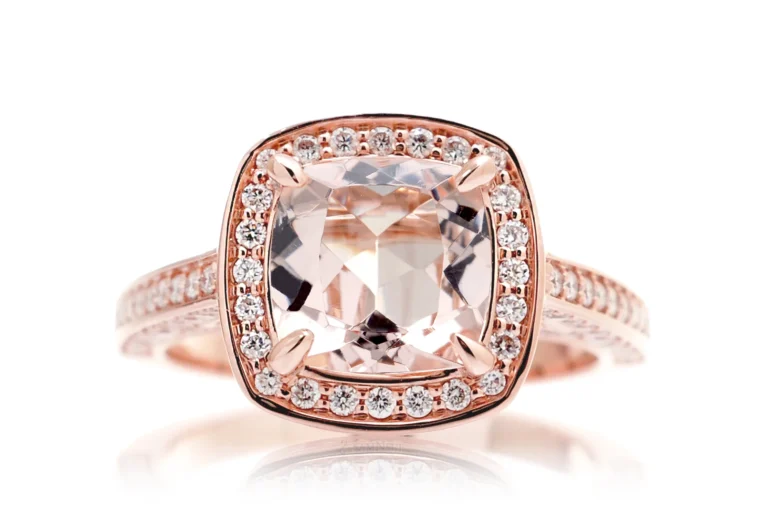
In high-end jewellery and watchmaking, osmium is being used as:
Its exceptional sparkle, hardness, and density make it ideal for pairing with diamonds, sapphires, and other precious gemstones.
For Indian jewellery designers, osmium presents a powerful opportunity:
Understanding the future of jewellery design requires embracing innovative materials like osmium in jewellery design.
Scarlett Clauss’s visit to IIG Mumbai also opened doors for emerging designers. The Osmium Institute has formally invited IIG students to participate in the 2026 Osmium Visionary Contest — a global platform celebrating innovation in contemporary jewellery design using osmium.
With osmium’s steadily rising value and increasing recognition as a tangible investment asset, students gain exposure not only to design excellence but also to future-facing luxury markets.
At IIG, our mission is to prepare students for the future of gemology, luxury, and innovation — and osmium stands at the intersection of all three.
Osmium is more than a precious metal — it is a symbol of innovation, rarity, and permanence. As the world’s last precious metal, its journey has only just begun.
At International Institute of Gemology (IIG), we are proud to introduce osmium to India’s jewellery ecosystem, empowering designers, students, and professionals to shape the future of luxury.
Crystallised osmium is used primarily as an inlay or accent material in high-end jewellery and luxury watches due to its extreme rarity, sparkle, and durability.
Osmium is the last naturally occurring precious metal to be crystallised and made wearable through modern technology, making it unique and finite in the luxury materials universe.
Yes. Once crystallised, osmium becomes stable and non-toxic, making it completely safe for jewellery and long-term wear.
Osmium is significantly rarer. Only 350–500 kg of crystallised osmium exists globally, compared to thousands of tonnes of gold mined throughout history.
No. Each piece of crystallised osmium has a unique micro-crystal fingerprint, verified through the Osmium Identification Code (OIC), making forgery virtually impossible.
Due to its finite supply, unforgeable identity, and rising global demand, osmium is increasingly viewed as a long-term alternative investment asset.
 07
Mar
07
Mar
 04
Mar
04
Mar
 25
Feb
25
Feb
 19
Feb
19
Feb



Not a member yet? Register now
Are you a member? Login now