

The month of March serves as a bridge between the winter season’s tranquil coldness and the spring season’s refreshing arrival. The March birthstones demonstrate seasonal change because they express renewal and strength and peacefulness. The month of March has two birthstones which are Aquamarine and Bloodstone. Bloodstone serves as a traditional gemstone which displays deep green color and red flecks, while Aquamarine displays ocean-blue color which has become popular in modern times. The two gemstones possess extensive historical backgrounds together with compelling symbolic meanings and distinct gemological characteristics which create their exceptional value.

Each month of the year has a specific gemstone which serves as a birthstone that bestows luck and protection together with special meaning to people born in that month. The month of March stands out because it includes two separate gemstones which possess completely different looks and background stories.
Both gemstones represent strength, protection, and vitality, making them meaningful stones for people born in March.
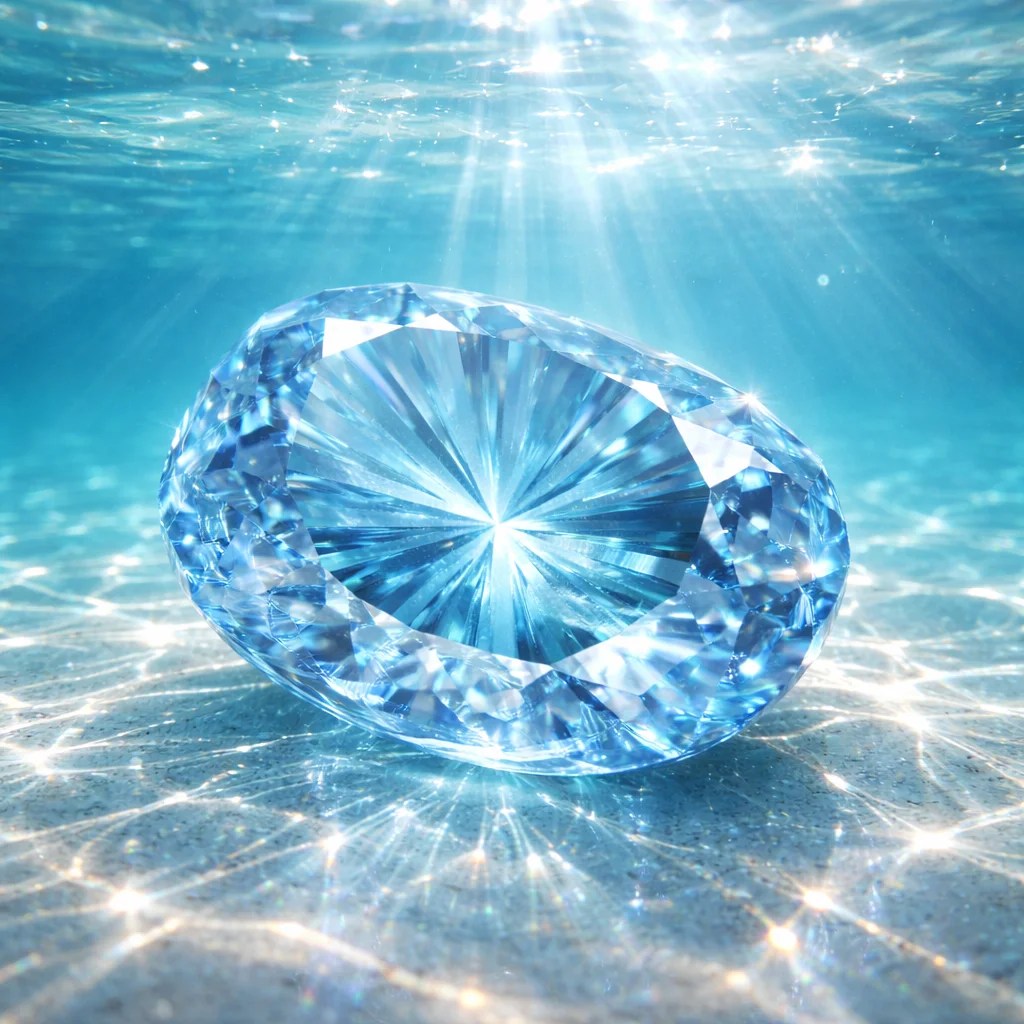
Aquamarine serves as the contemporary March birthstone which stands as one of the most popular blue gemstones throughout the globe. The term derives from Latin because it uses “aqua” to mean water and “marina” to mean sea to create the definition of “water of the sea.” The gemstone displays a peaceful blue hue which mirrors the appearance of transparent ocean water.
Aquamarine belongs to the beryl mineral family, which also includes emerald and morganite.
Key characteristics include:
Because of its durability and clarity, Aquamarine is widely used in fine jewelry such as rings, necklaces, earrings, and bracelets.
Aquamarine has long been associated with calmness, courage, and protection. In ancient times, sailors believed the gemstone protected them during sea voyages and ensured safe travels.
The gemstone is often linked to:
Due to its soothing color and symbolism, Aquamarine is also a popular gift for the 19th wedding anniversary.

While Aquamarine is the modern birthstone
Bloodstone is a variety of chalcedony, a form of quartz. It is typically dark green in color and contains distinctive red spots caused by iron oxide, which resemble drops of blood. Hence, the name “Bloodstone.”
Bloodstone has been mined throughout Indian history. People used to work in places that existed for gem cutting and polishing.
Bloodstone has been used for thousands of years because people believe it has healing and protective powers. Ancient cultures regarded it as a strength enhancer which boosted their physical endurance abilities.
The medieval period brought Bloodstone as a healing stone which warriors used during battles to gain courage and protection.
Bloodstone is commonly associated with:
Because of its strong symbolism, Bloodstone has been used in seals, carvings, and talismans throughout history.
Although both gemstones represent the month of March, they differ significantly in appearance and composition.
| Feature | Aquamarine | Bloodstone |
| Color | Light blue to blue-green | Dark green with red spots |
| Mineral Family | Beryl | Quartz (Chalcedony) |
| Transparency | Transparent | Opaque |
| Hardness | 7.5 – 8 | 7 |
| Popular Use | Fine jewelry | Carvings, beads, decorative pieces |
These differences make the two gemstones uniquely appealing to different types of gemstone enthusiasts and jewelry lovers.
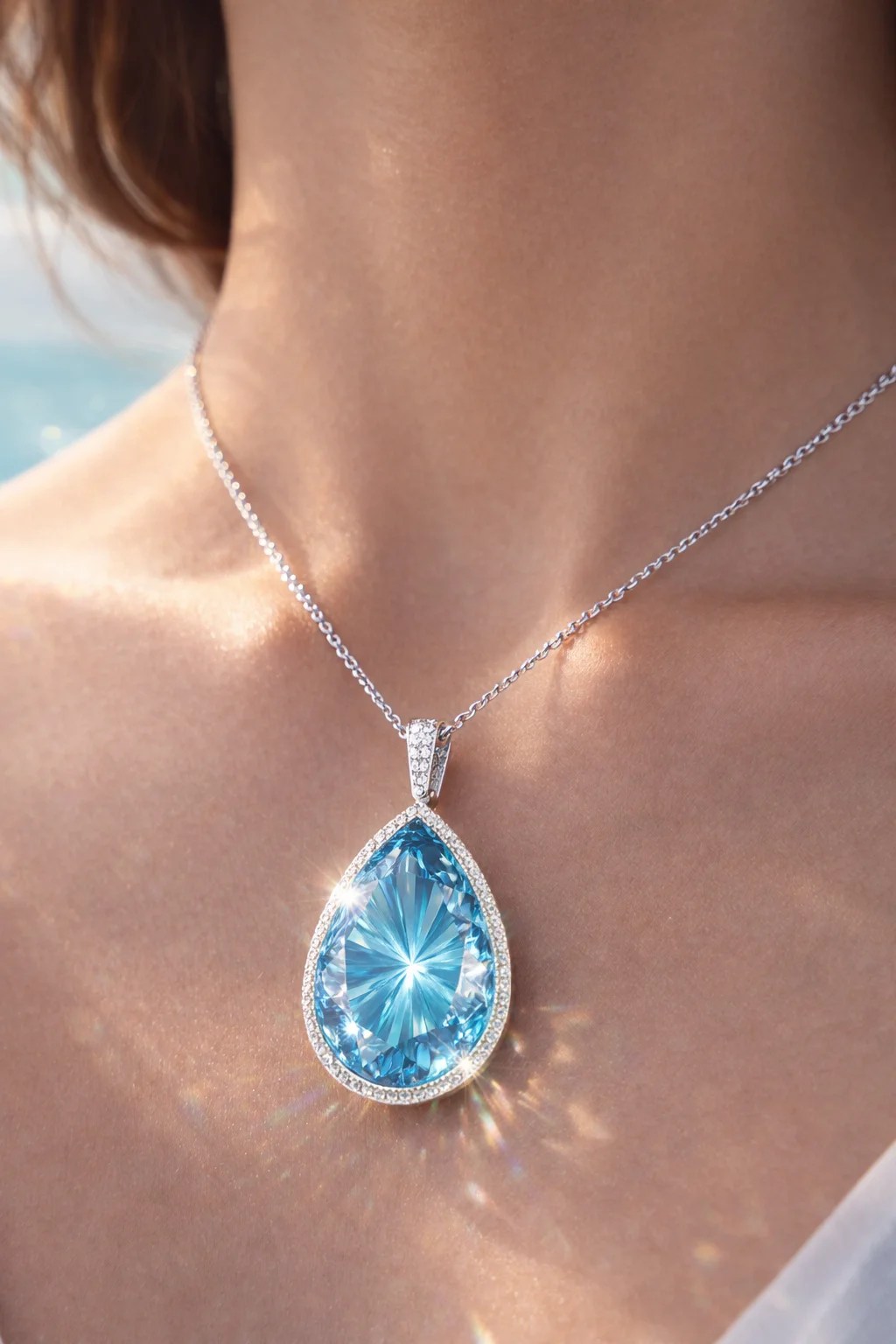
Jewelry designers in contemporary times use aquamarine because it exhibits outstanding transparency and displays appealing blue color variations. Jewelers cut it into emerald and oval and pear and cushion cut shapes to achieve maximum brightness.
Bloodstone, on the other hand, is more commonly used in cabochons, beads, and carved pieces because of its opaque nature. It appears frequently in signet rings and bracelets and decorative jewelry items.
Aquamarine and Bloodstone present two different gemstone styles which show Aquamarine’s sophisticated shine and Bloodstone’s natural historical appeal.
The month of March features two exciting birthstones which are Aquamarine and Bloodstone. The serene blue color of Aquamarine creates a calming effect which brings peace of mind and mental clarity while Bloodstone represents strength and protection through its ancient symbolism. The two gemstones demonstrate the March season through their representation of renewal and resilience. Gemology studies offer exciting career paths which lead to gemstone research about their origins and value and gemstone value.
Begin your journey with IIG – International Institute of Gemology, India, and discover the science and beauty behind the world’s most remarkable gemstones.
 13
Oct
 13
Oct
 02
Oct
 23
Sep





Not a member yet? Register now
Are you a member? Login now